
February Focus: Key Allotment Jobs for the Season Ahead
February may still feel like the depths of winter, but for allotment owners, it’s a month filled with quiet anticipation and steady preparation. The days are slowly lengthening, and if you take a moment to look around, you’ll spot the first subtle signs of spring, buds swelling, bulbs pushing through, and a faint warmth in the air on sunnier afternoons. While the soil remains cold, damp and uninviting for much of the month, there’s still plenty to do to keep your plot moving forward.
This is the perfect time to take stock of your tools, tidy sheds and greenhouses, and finalise your sowing and planting plans. A bit of organisation now can save a lot of time once the busy spring rush begins. You can also start sowing hardy crops such as broad beans, onions and early salads under cover, or on a warm windowsill if you don’t have a greenhouse. If the weather allows, lightly dig over or mulch empty beds to prepare them for planting later on.
February is also a good month to turn your attention to fruit bushes and trees. Finish any pruning before buds break, check supports and ties, and clear away fallen leaves to prevent disease. Keep a close eye on protective covers and fleece too, as sudden frost or wind can do unexpected damage.
And of course, take time to enjoy those small moments on the plot. The sound of birdsong returns, days stretch a little longer, and the scent of damp earth feels full of promise. There’s something satisfying about knowing that each task brings you one step closer to a thriving allotment in spring. So pull on your boots, wrap up warm, and let’s get ready for another productive month on the allotment.
Clearing & Preparing Beds
Why February is the Perfect Time for Clearing
Winter often leaves allotment plots looking a little worse for wear. Weeds, dead foliage, and leftover crops from last season can clutter beds, making it harder to start afresh in spring. February is an ideal time to tidy up because:
- The ground is usually soft enough to work (unless frozen).
- Removing old plant debris reduces pests and diseases.
- Early preparation means beds will be ready for sowing as soon as the weather warms.
Steps to Clear Your Allotment Beds
Use cardboard, black plastic, or mulch to suppress weeds and warm the soil.
Remove Old Crops & Weeds
Pull up any remaining winter crops (e.g., leeks, kale) or rotting vegetation.
Dig out persistent weeds like docks and dandelions, ensuring you remove the roots.
Turn Over the Soil (If Not No-Dig)
If you follow traditional digging, lightly fork over beds to aerate the soil.
Avoid working soil when it’s waterlogged to prevent compaction.
Add Organic Matter
Spread well-rotted manure or compost to improve soil fertility.
If you practice no-dig, simply layer compost on top and let worms do the work.
Cover Bare Soil
Use cardboard, black plastic, or mulch to suppress weeds and warm the soil.

Pruning Fruit Trees & Bushes
Why Prune in February?
Late winter is the best time to prune many fruit trees and bushes because:
- Plants are dormant, reducing stress and disease risk.
- The structure of branches is visible, making it easier to shape trees.
- Pruning now encourages vigorous spring growth.
What to Prune in February
- Apple & Pear Trees – Remove dead, diseased, or crossing branches. Aim for an open goblet shape.
- Blackcurrants – Cut back about a third of old wood to encourage new shoots.
- Raspberries – Prune autumn-fruiting varieties to the ground; summer-fruiting canes should have old growth removed.
- Gooseberries & Redcurrants – Shorten side shoots to 2-3 buds and thin out congested growth.
Pruning Tips
- Use sharp, clean secateurs or loppers.
- Make cuts at a 45° angle just above a bud.
- Avoid pruning stone fruits (plums, cherries) in winter to prevent disease—wait until summer.
Starting Early Seeds Indoors
Why Start Seeds in February?
While it’s too cold to sow directly outside in most regions, starting seeds indoors gives you a head start. Benefits include:
- Extending the growing season.
- Ensuring stronger plants by the time they’re transplanted.
- Avoiding late frost damage to tender seedlings.
Best Seeds to Start in February
Vegetables
- Onions & Shallots (from seed) – Slow to mature, so starting early ensures good bulb development.
- Broad Beans – Hardy and can be sown in pots for transplanting or under cloches.
- Early Peas – Varieties like ‘Meteor’ can be started in root trainers.
- Lettuce & Spinach – Sow in modules for early salads.
Herbs
- Parsley – Slow to germinate, so start now for spring planting.
- Chives – Can be grown indoors before moving outside.
Flowers (for Pollinators & Pest Control)
- Sweet Peas – Soak seeds overnight before sowing for better germination.
- Calendula – Hardy flowers that attract beneficial insects.
How to Sow Seeds Indoors
- Use Clean Containers – Seed trays, modules, or recycled pots with drainage holes.
- Choose the Right Compost – A fine, seed-specific mix works best.
- Sow at the Correct Depth – Generally 2x the seed’s diameter.
- Label Everything! – Avoid mix-ups later.
- Provide Warmth & Light – A sunny windowsill or heated propagator helps.
- Harden Off Before Planting Out – Gradually acclimatise seedlings to outdoor conditions in April/May.
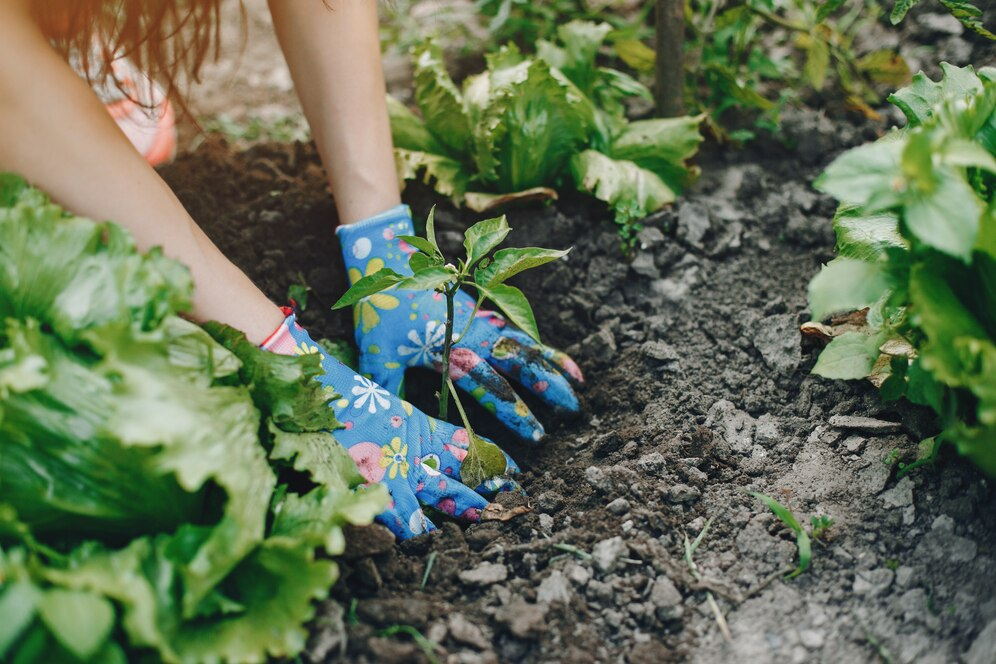
Protecting Plants from Late Frosts
Why Frost Protection Matters
February can bring unexpected cold snaps, which can damage early-sown crops and tender shoots. Protection methods include:
Effective Frost Protection Techniques
- Cloches – Use plastic bottles, glass cloches, or fleece-covered hoops.
- Horticultural Fleece – Drape over seedlings on cold nights.
- Mulching – A thick layer of straw or compost insulates roots.
- Cold Frames – Ideal for hardening off seedlings.
Plants That Need Protection
- Early Potatoes – If you’ve chitted (sprouted) potatoes, keep them in a frost-free place until planting.
- Soft Fruit Buds – Cover flowering currants if frost threatens.
- Newly Sown Seeds – Fleece can prevent soil from freezing.
Bonus Tips for February Allotment Success
- Check Stored Crops – Discard any rotting potatoes, squash, or onions.
- Plan Crop Rotation – Avoid planting the same family in the same spot to prevent disease.
- Feed Wildlife – Birds help with pest control; provide high-energy food like fat balls.
- Organise Tools & Supplies – Sharpen blades, clean pots, and stock up on seeds.
Final Thoughts
February might seem like a quiet month on the allotment, but it is one of the most important for laying the foundations of a successful growing season. By clearing beds, pruning fruit bushes, starting seeds under cover and keeping vulnerable plants protected from frost, you give yourself a real head start when spring finally arrives.
The key is to work with the weather rather than against it. Do not rush jobs if the ground is frozen or waterlogged; instead, use those harsher days to plan your cropping layout, sort seeds, clean tools and tidy the shed. When a milder spell comes along, make the most of it by tackling outdoor tasks such as mulching beds, checking supports and netting, and turning the compost.
February is also a good time to take a thoughtful look at what worked well last year and what you might do differently. Adjust your planting plans, try a new variety or two and think about how you can spread harvests more evenly through the year. These small decisions now can make your allotment more productive and easier to manage once things get busy.
With a little steady effort this month, you set yourself up for stronger plants, bigger harvests and a far more manageable workload later in the season. By the time spring really gets going, you will be ready to enjoy it rather than race to catch up.